我很高兴。
Wǒ hěn gāo xìng.
I am very happy.
25 minutes
Learn how to express feelings and emotions in Chinese.
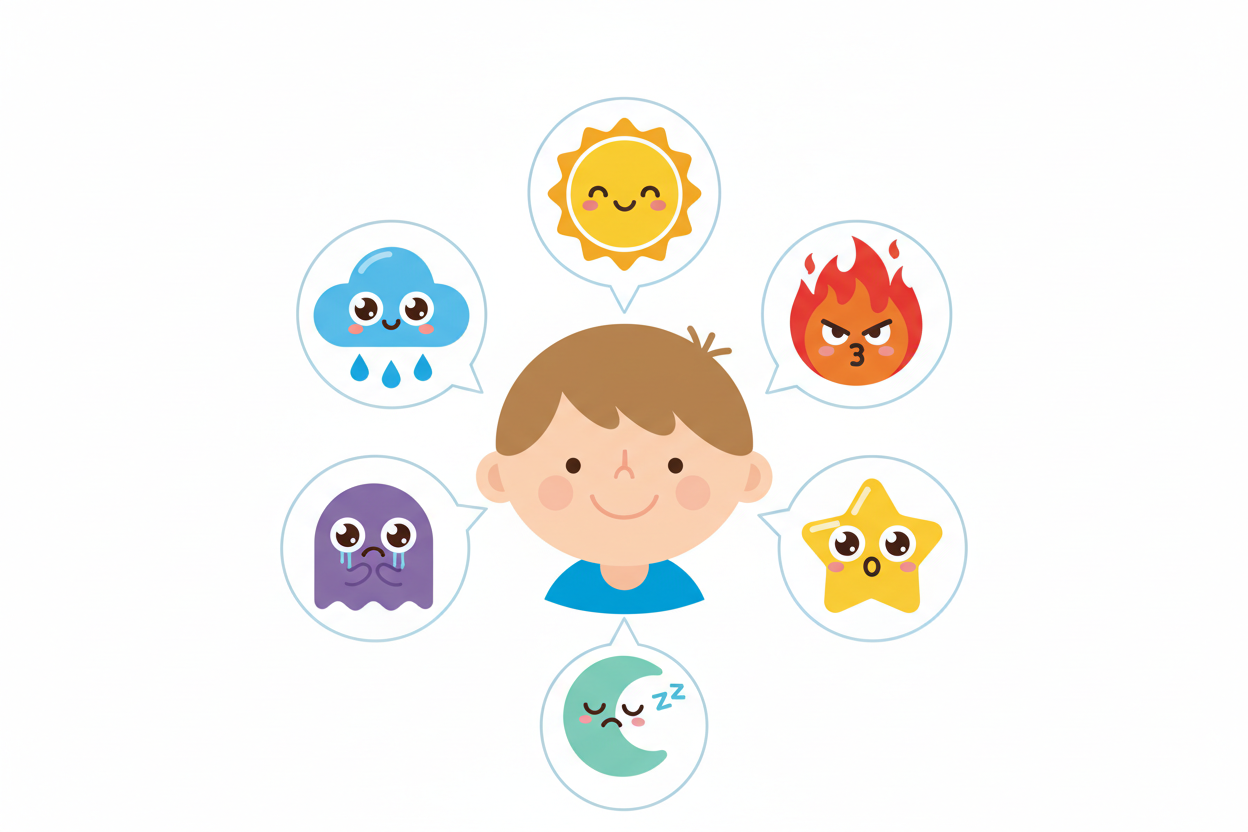
Feelings are very important in Chinese. In this lesson you will learn how to say happy, sad, angry, scared, and tired. In Chinese, you can say "我很高兴" to mean "I am very happy". The word "很" means "very" and it is used a lot before adjectives. To ask someone how they feel, say "你怎么样?" which means "How are you?". Try to tell your family how you feel today in Chinese!
| Chinese | Pinyin | Meaning |
|---|---|---|
| 高兴 | gāo xìng | Happy |
| 难过 | nán guò | Sad |
| 生气 | shēng qì | Angry |
| 害怕 | hài pà | Scared |
| 累 | lèi | Tired |
| 饿 | è | Hungry |
| 渴 | kě | Thirsty |
| 无聊 | wú liáo | Bored |
Wǒ hěn gāo xìng.
I am very happy.
Tā hěn nán guò.
He is very sad.
Bú yào shēng qì.
Do not be angry.
Wǒ hěn lèi.
I am very tired.
Nǐ è le ma?
Are you hungry?
Enable JavaScript for pronunciation audio, interactive exercises and saved progress.
Explore all Chinese lessons